A Late-Autumn Matchday, Planned Around Shorter Light
Plan a late-autumn matchday around shorter daylight with a clear start, a sensible finish and an easy gathering that still feels part of the occasion.
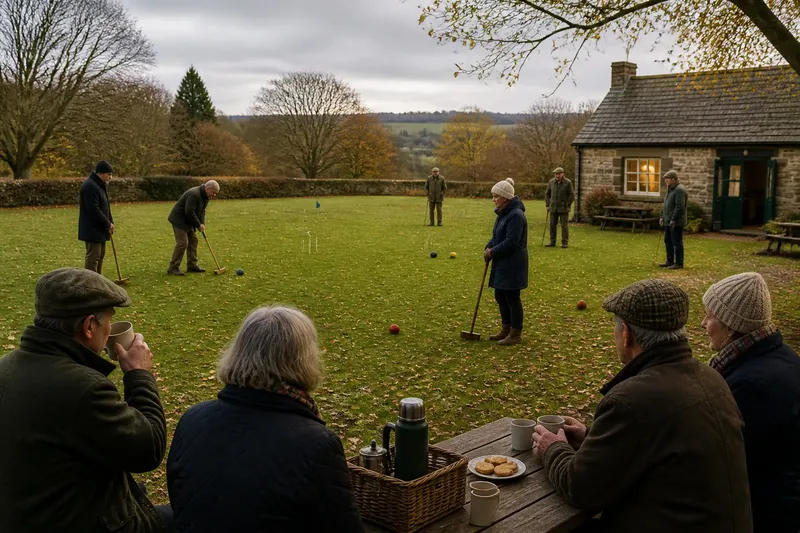
The common late-autumn matchday mistake is keeping a summer start time and expecting the day to fit around it. The cost is often a hurried finish: arrivals and conversation take their time, then play runs into dim light. A late-autumn matchday feels more relaxed when the invitation, game and gathering are planned as one occasion.
Choose a simple rhythm before you invite anyone: an early start with time afterward, a shorter game near midday, or an informal session with a firm finish. Each can work; the best fit depends on how the group likes to play and how much time it wants to spend together.
Read the afternoon
Check the local sunset time, then allow for the point when the ground’s surroundings make play difficult. A tree line, ridge or tall building may shade part of the field before the sky looks dark. Cloud, mist and wet weather can make a ball or boundary harder to see, so treat the forecast as a reason to keep the plan flexible rather than a promise about conditions.
Think of daylight as a tablecloth: the game, the greetings and the time afterward all need room on it. If play takes every available moment, a late arrival or slow start can push the finish into poor light. Tell guests the planned end time as well as the start, and decide in advance what signal will end play.
Keep this planning focused on the clock and the group, not on changing the ground setup. If the venue has rules about use, access or equipment, follow the local arrangements and relevant instructions.
Three matchday rhythms
Early start, easy afternoon
An early start suits a group that can arrive promptly and would enjoy tea or a shared snack afterward. It leaves more of the afternoon for conversation, though a cold, muddy morning can make the opening feel abrupt. Set a clear arrival time and have the basic game equipment ready before people come in.
Shorter game, central start
A shorter game near the middle of the day gives people time to arrive without letting play drift toward dusk. Agree on a format in advance, such as fewer rounds or a simple rotation, and mention it in the invitation so nobody expects a full-length fixture. A brief welcome and a clear finish can still give the game a satisfying shape.
Flexible arrival, fixed finish
This rhythm works for informal games where people can join between turns. State the arrival window, the last time someone can join play and the planned finish. It is a poor fit for a match that needs complete teams or a set order, because late arrivals may leave everyone waiting.
Name a host to explain the format and call time. A short message with the meeting point and schedule is usually enough; “drop by whenever” leaves people guessing about whether play has begun or ended.
Which timetable fits?
Choose the rhythm that still feels manageable if someone arrives late or the light changes sooner than expected. Use these checks to make the choice:
- Check whether the game needs full teams; if it does, choose a start time that lets everyone assemble, or switch to a format with a set roster.
- Check whether most guests can arrive early; if they can, choose an early start, or use a central start if mornings are difficult.
- Check whether the group wants a long fixture; if it does, protect the earlier daylight, or agree on fewer rounds if conversation matters more.
- Check whether players can join between turns; if they can, set a flexible arrival window, or choose one fixed start if the game depends on a complete group.
- Check whether the gathering afterward is part of the plan; if it is, reserve time for it in the schedule, or keep it brief if play is the main event.
- Check whether the host can call a clear finish; if so, name the stopping cue before play, or choose a shorter format if the group tends to debate whether there is time for another turn.
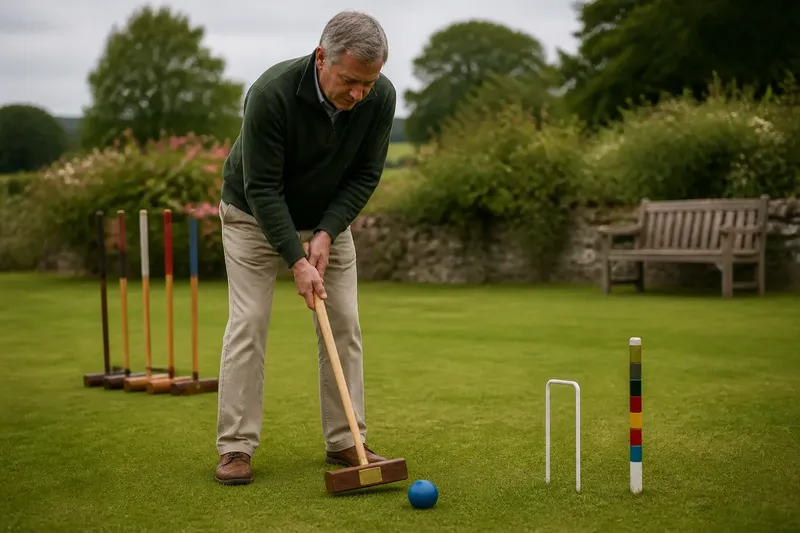
Say a village group plans a croquet afternoon, and several players will come after morning jobs. The host sets a central start, tells everyone to arrive within a stated window, and chooses a few shorter rounds rather than an open-ended game. The host also names the end of the final round as the stopping cue and arranges tea in a nearby hall. The resulting plan gives late arrivals a chance to join while keeping the gathering from depending on squeezing in another round.
Make arrivals simple
Give guests the meeting point and the time play begins; if people can arrive earlier, state that window separately. Mention where coats and bags can go, and suggest clothing suited to waiting as well as moving. A warm-up chat can be pleasant, but an uncertain wait in the cold can drain the energy before the game starts.
Agree who is bringing the ball, mallets or other necessary equipment, and who will greet people. Keep refreshments uncomplicated: tea in a thermos, mugs and biscuits can be enough. The less there is to organize at the last minute, the more attention remains for the occasion.
Give the game an ending
Choose a cue everyone understands, such as the end of a round or a call of time. When it comes, return the equipment and move on to tea rather than reopening the question of whether one more turn will fit. If visibility becomes uncomfortable before the cue, stop play and continue the gathering in the planned sheltered spot.
If the weather may disrupt the afternoon, decide who will notify the group and where everyone should meet if play cannot go ahead. That keeps the social plan clear without treating a scheduled game as something that must happen in every condition.
What should you decide?
What if the light fades early?
Set a stopping cue before play, such as the end of the current round. If visibility becomes uncomfortable sooner, stop there and move to the planned gathering instead of trying to complete the format.
How should I set an arrival window?
Allow time for guests to find the host and get ready, then give a separate time for play to begin. If the game needs full teams, make the arrival window firm; if players can rotate in, a more flexible window may suit.
Should play or tea get more time?
If the fixture is the main event, give it the earlier part of the daylight and keep the gathering simple. If the group values conversation just as much, shorten the game and make time afterward part of the invitation.
What if the weather changes?
Choose a fallback meeting place and name who will update guests. If conditions make play uncomfortable, cancel the game and use the fallback for the social gathering if it remains suitable.
A late-autumn matchday needs a schedule people can remember: when to arrive, when play starts and what ends it. Use “late-autumn matchday” as the planning cue, then keep the invitation plain and specific. That small clarity gives the game room to unfold without asking the fading afternoon to do more than it can.